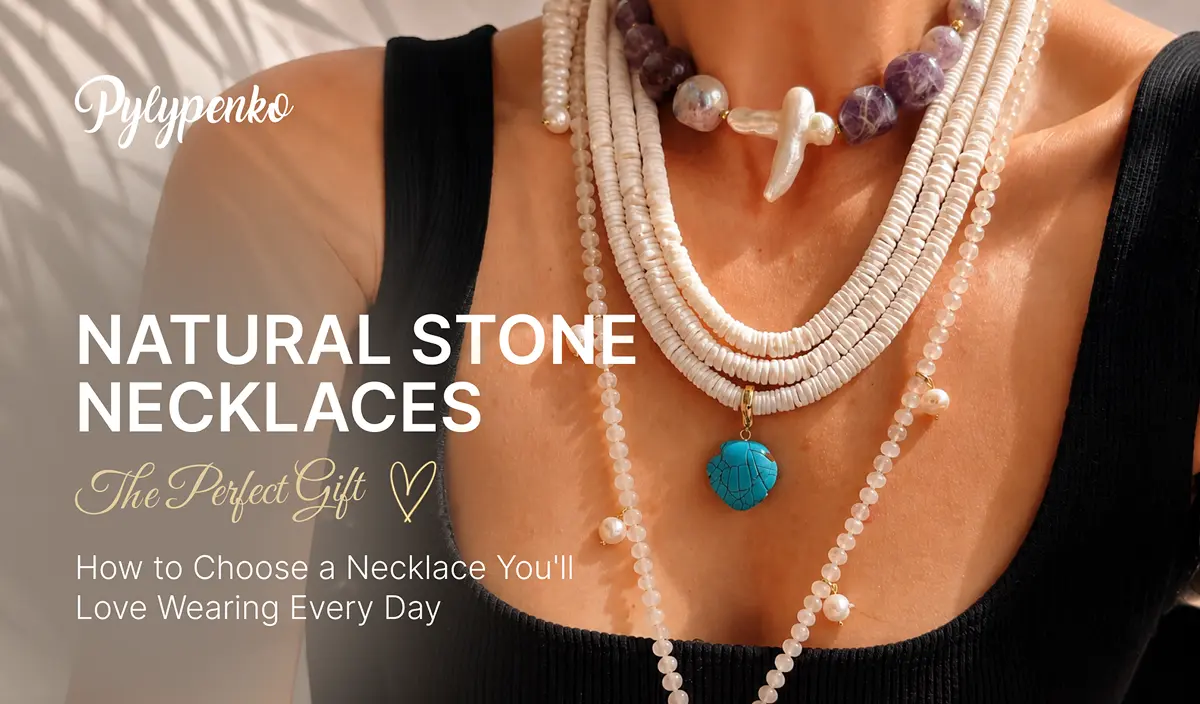

Every piece is made of several materials at once, things like stone, glass, wood, metal findings, thread or cord, and each one reacts to the world in its own way. So advice like "just be careful with it" doesn't really tell you anything. Below, I'll walk you through how to clean, store, and what to avoid, so your Pylypenko Handmade pieces last for years.
If you're here from the QR code on the little card in your box, hi, and thank you for choosing Pylypenko Handmade!
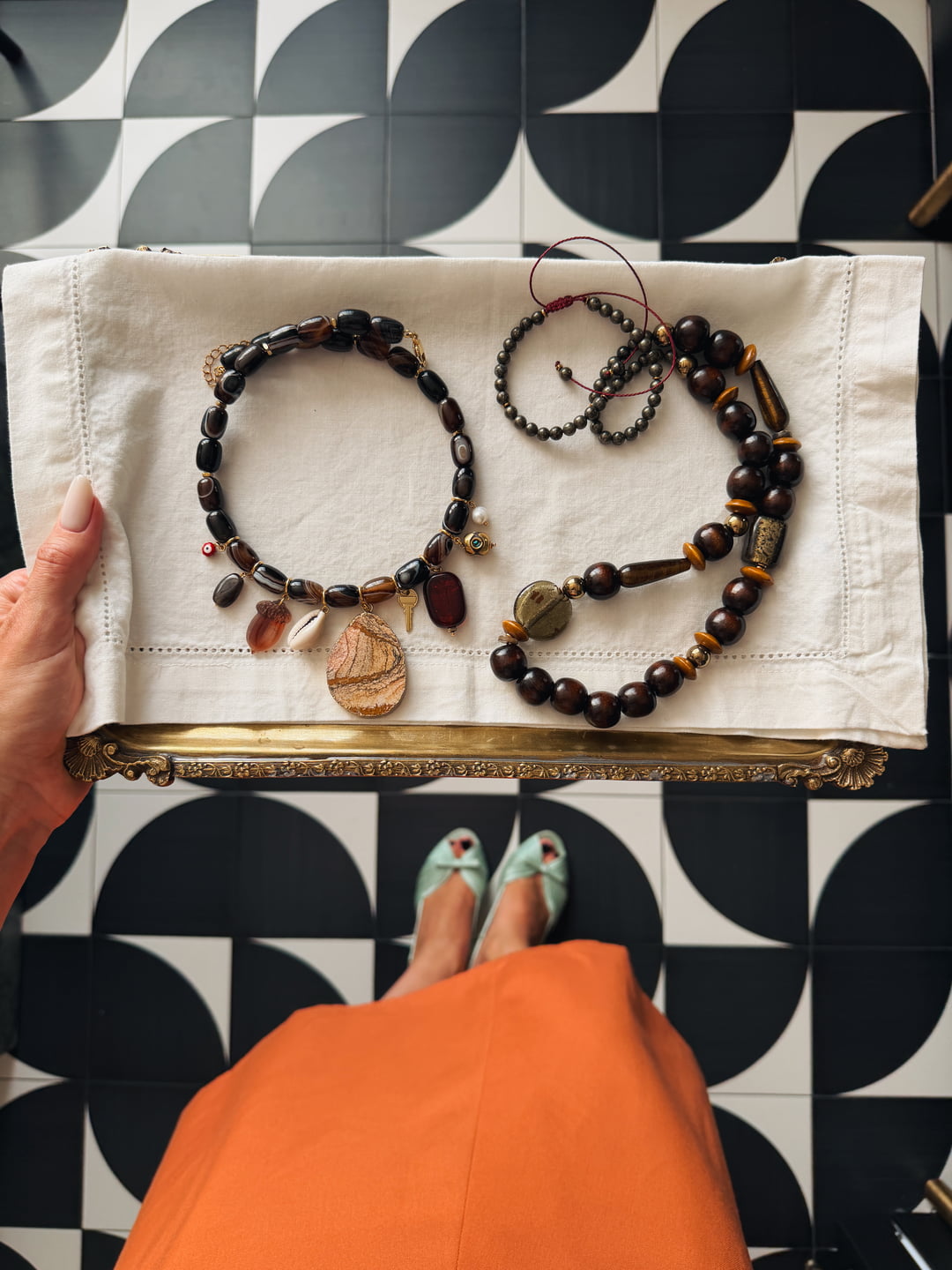
Stones aren't all the same, and neither is their care
The biggest mistake is treating every stone the same way. In reality, the differences matter a lot.
Dense, non-porous stones
Agate, quartz, hematite, coated malachite. These are tough. You can wipe them with a slightly damp cloth without much risk.
Porous, softer stones
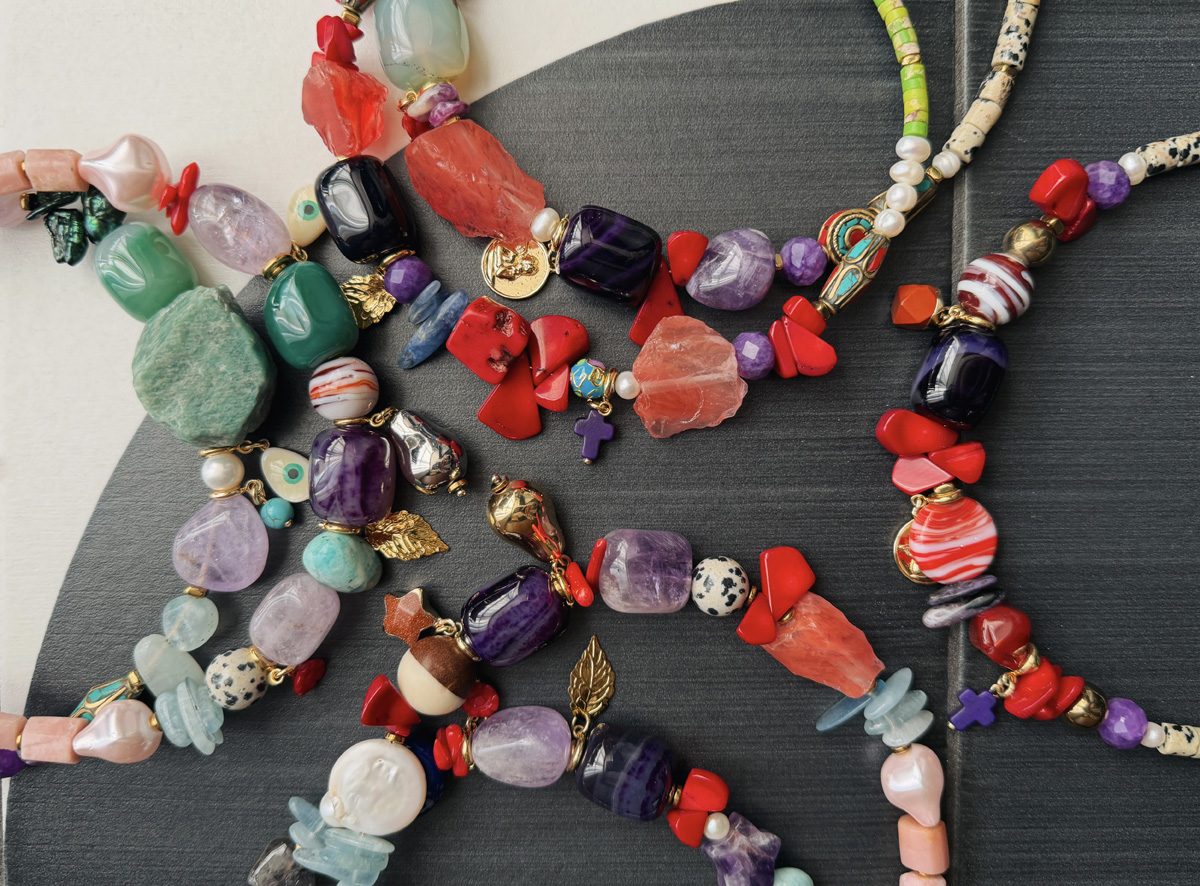
Turquoise, lapis lazuli, some types of mother-of-pearl. These soak up moisture, oils, and cosmetics like a sponge. A dry, soft cloth is really your only safe option here. Water and any kind of liquid should stay far away.
Stones sensitive to light
Amethyst, citrine, some quartz varieties. Over time, these fade in sunlight and the color turns paler. One sunny photoshoot won't hurt anything, but years on a windowsill absolutely will.
- for dry cleaning, a soft microfiber cloth is your best friend (there's actually a small one already in your order box), and it's worth steering clear of anything fuzzy or synthetic that builds up static
- never soak jewelry with porous stones in water or any cleaning solution
- abrasives like baking soda, toothpaste, or alcohol are off-limits for every stone, no exceptions, they leave micro-scratches even on stones that feel hard as rock
The findings: why they darken over time
The metal findings on my pieces are quality stainless steel with a coating. That coating is a thin layer, not solid metal all the way through, so it reacts to everything your skin comes into contact with.
Sweat, alcohol-based perfumes, chlorinated pool water, all of these speed up the coating's oxidation. That's not a defect or "poor quality," that's just the physics of thin metal layers at work. So give your findings a regular wipe with a jewelry cloth, plain microfiber works just as well.
Storage: humidity is the real enemy
The biggest threat to both stone and metal isn't dust or time, it's the humidity in the air, constantly shifting around. That's exactly why the bathroom is the worst possible spot for a jewelry box, even if it happens to be the most convenient one.
- keep pieces in a dry spot, away from radiators (temperature swings are just as harmful as moisture)
- store each piece in its own pouch or compartment, toss a few pieces into one box together and they'll scratch each other up within days
- skip direct sunlight when storing your jewelry, it'll help your piece last a lot longer
It's about order, not just a list of don'ts
Here's the one rule that solves 90% of the questions: jewelry is the final touch, not the first step.
Shower, makeup, perfume, body lotion first, and only once everything's dry and absorbed (give it 10 to 15 minutes) should you put your jewelry on. Take it off in reverse order, before bed or before you undress.
Physical activity deserves its own mention too, workouts, cleaning, gardening. It's not just about sweat, it's about mechanics: a sudden movement, a snag, or a knock against something hard can damage even a sturdy stone at the exact moment you're not expecting it.
Bag charms are a story of their own
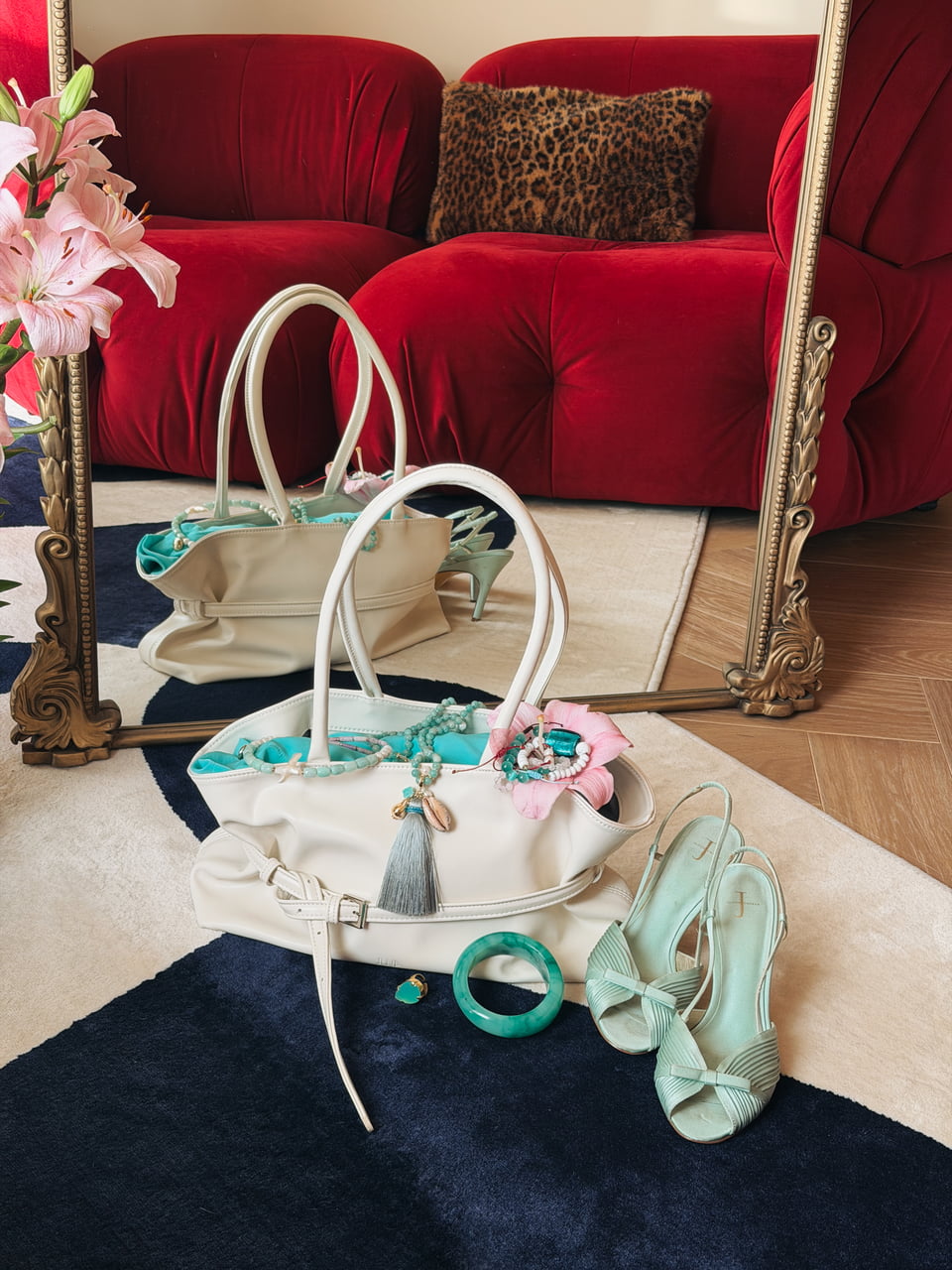
A bag charm lives a rougher life than any other piece: it hits the pavement daily, rubs against fabric bags, and gets caught in rain and snow. So the rules shift a bit here too.
- if your bag charm gets wet, let it air dry naturally, don't put it on a radiator or use a hair dryer, otherwise the thread or cord can warp
- dropping it on a hard surface is the most common cause of chipped stones, keep that in mind if you clip it onto keys and not just a bag
- if you use it daily, wiping it down once a week is plenty
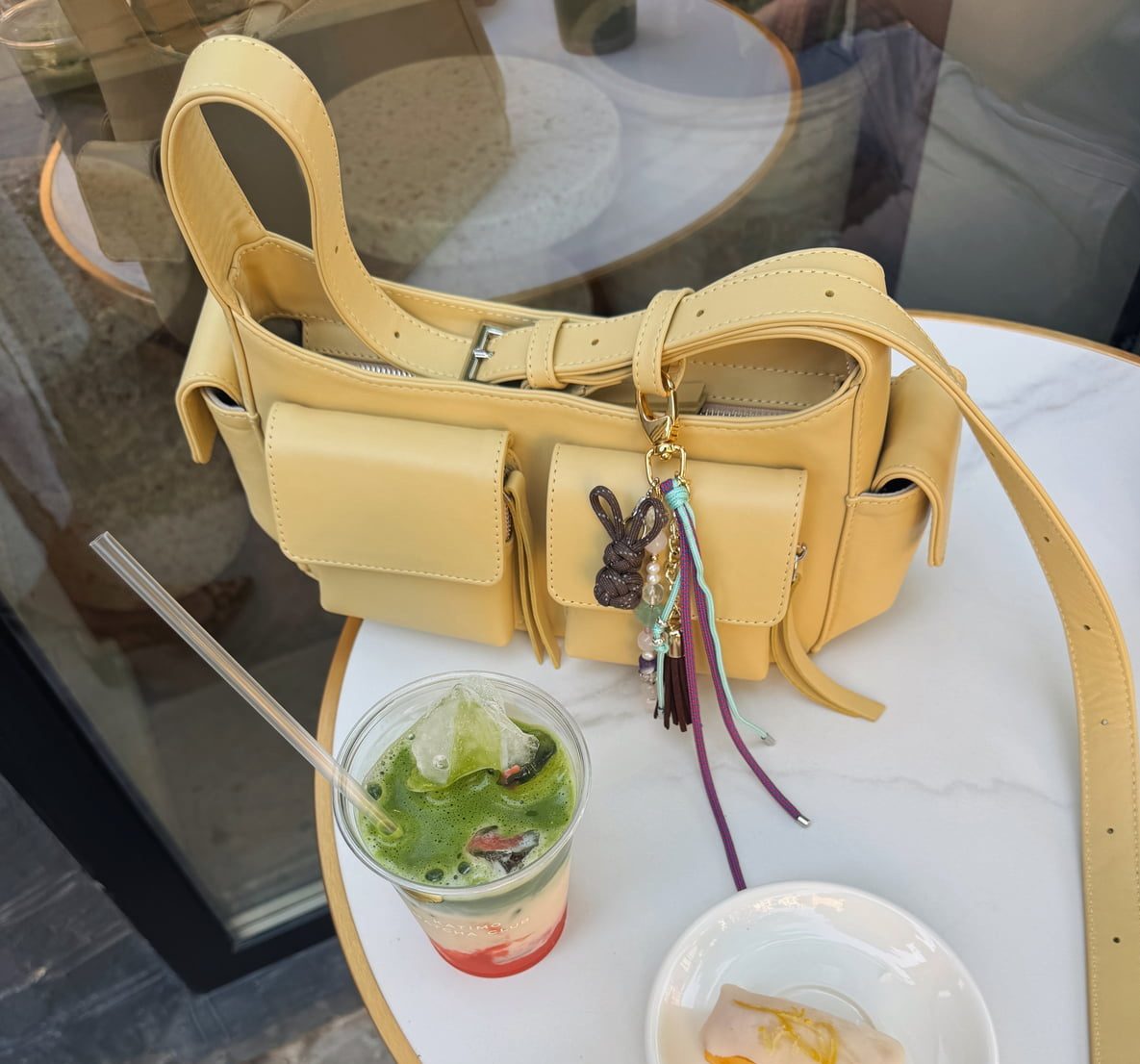
If something does go wrong
Every Pylypenko Handmade piece comes with a lifetime guarantee: if it tears or comes apart (a snapped thread, a broken clasp), just message me directly and I'll fix it.
None of these rules exist so you'll wear your jewelry less or more cautiously. Quite the opposite, they're here so you can wear it often, without second-guessing every little thing. A bit of care up front means a lot less worry for years to come.
Curious how to style your jewelry for everyday looks? Check out the article: "How to Wear Natural Stone Jewelry: Simple Everyday Style Rules".